This Weekend Ciao Caffé Turned Into a Mini Paninoteca
and Ferrarini secured the goods Ferrarini has been around since the 1950’s, putting Il Prosciutto Cotto di Alta Qualità on the map. This is their version of “cooked ham,” hence the word cotto. They also produce other products that I got to work with, like Mortadella and Prosciutto di Parma DOP. Because I am so very passionate about regional…
and Ferrarini secured the goods
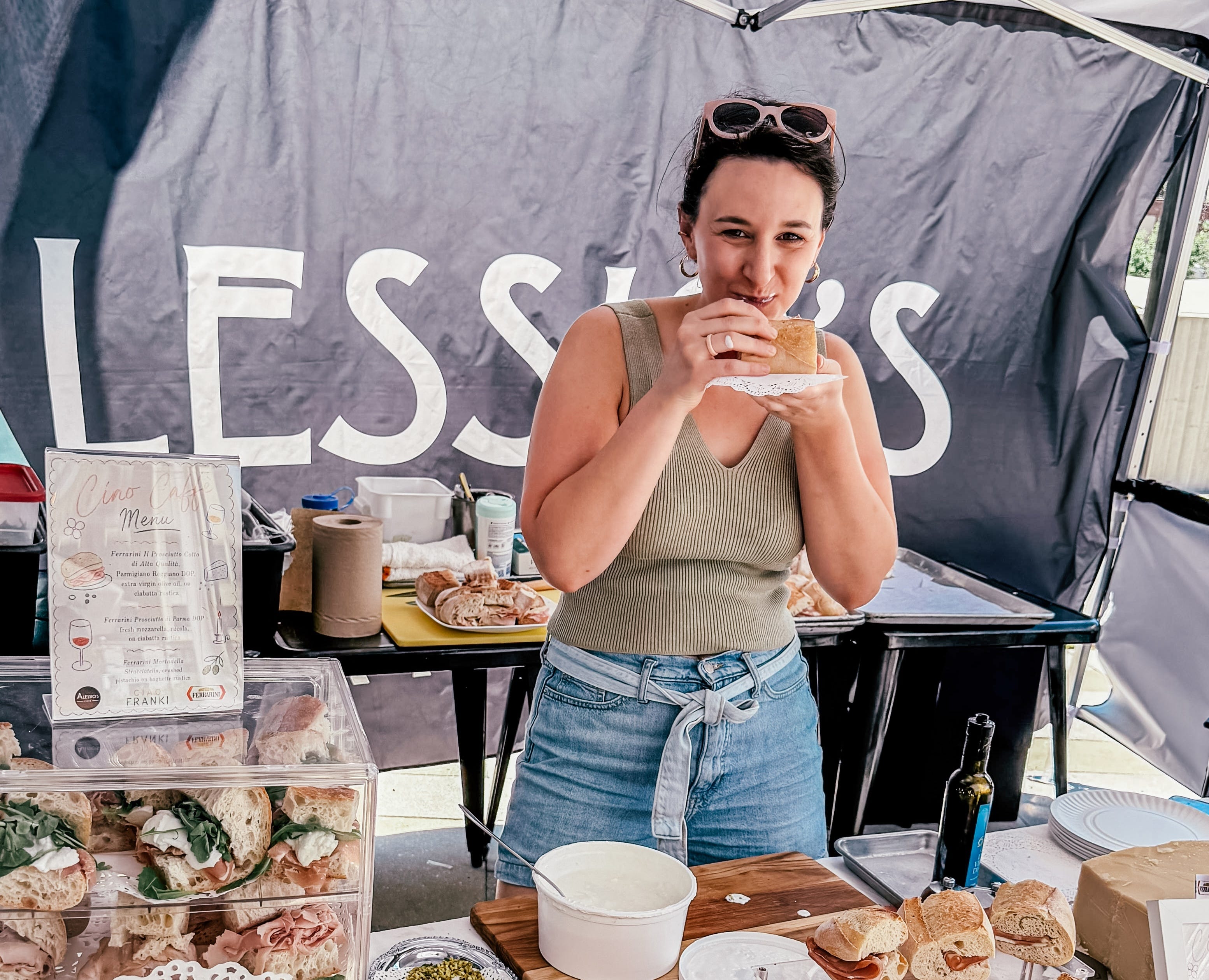
Ferrarini has been around since the 1950’s, putting Il Prosciutto Cotto di Alta Qualità on the map. This is their version of “cooked ham,” hence the word cotto. They also produce other products that I got to work with, like Mortadella and Prosciutto di Parma DOP. Because I am so very passionate about regional cooking, I teamed up with Ferrarini at Alessio’s Cafe in Hoboken to turn out some classic panini using those three Emilia-Romagnan ingredients.
Paninoteca is Italy’s version of a sandwich shop. Sandwiches or panini in Italy are, like most of their cuisine, based on quality ingredients. The saying “less is more” is simply the Italian way. Don’t expect foot-long subs loaded with dressing, meat, lettuce, and tomato. Instead, know that wherever you go, you’ll end up with a few pieces of master produced cured meat and creamy cheese sandwiched between fresh-baked bread. That’s it, end of story.
about the ingredients
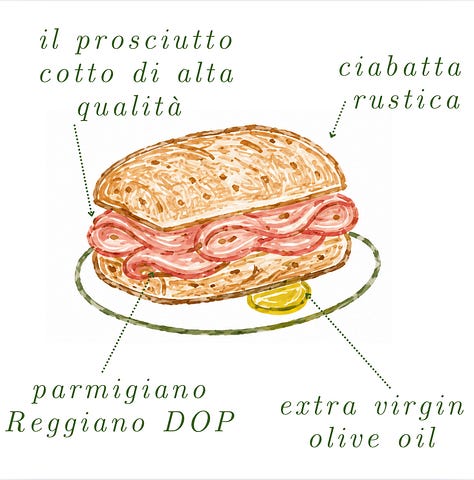
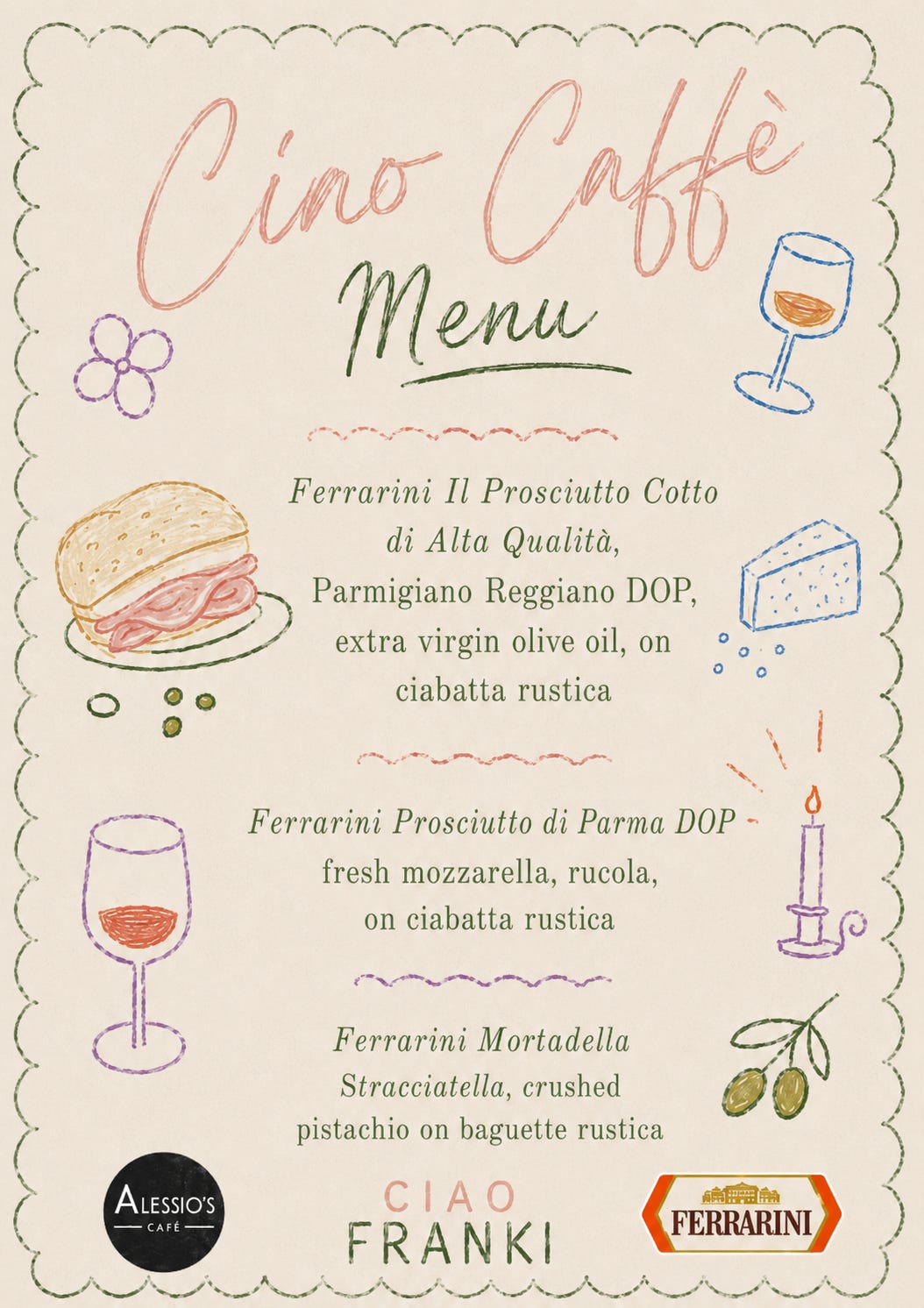
Il prosciutto cotto di alta qualità was Italy’s first cooked ham produced in the region of Emilia-Romagna. It’s injected with a brine of various herbs and spices, then steamed. I wanted to pair this panino with a young and salty Parmigiano Reggiano, a DOP from Parma (I’m biased and love a younger, creamy cheese), and robust extra virgin Alessio’s Spanish olive oil on ciabatta rustica, which is a thin, porous, crusty bread from Veneto. It’s often dusted with streaks of baked-on flour- iconic!
Prosciutto di Parma DOP is produced in the Emilia-Romagna region, specifically in Parma. It’s made with pork thigh from pigs bred, fed, and cared for in Parma (hence the DOP or the protected designation of origin stamp). It’s simply salt-cured and hung out to dry near the Apennine Mountains, where it ages for at least 12 months. I paired this salty taffy-like pork with fresh mozzarella di buffalo, a rich mozzarella made from water buffalo in the Campania region, and peppery rucola on ciabatta rustica.
A backstory according to Ferrarini: Ferrarini’s production site is in Lesignano de’ Bagni, Parma, within the Apennine valley. This valley has the cleanest, freshest air for curing. “The magic of this stretch of valley is its air. As the breeze moves down from the Apennines and through the Val Parma, it carries a specific balance of temperature and humidity that has made this micro-region the only place on earth where authentic Prosciutto di Parma can be cured.” The leg of ham and salt, as well as the “air” are the only ingredients used. Like Parmigiano Reggiano, Prosciutto di Parma must age for at least 12 months before being inspected or pierced with a “horse bone needle,” an ancient technique that determines maturation. It then gets “fire-branded with the five-pointed Ducal Crown.”
“Il Prosciutto Cotto di Alta Qualità, award-winning ham, has been around since the 1950s.”
Mortadella is made with pistachio and bits of fat lardons that come from the fat of the pig’s neck. When I was in Bologna for a day, I had a mortadella panino with Squacquerone, and my goodness, I never forgot about it. It was like nothing I’ve ever had before. I wanted to pair this panino with this fresh, tangy cheese, squacerone, but it’s hard to source here. Instead, we went with a Lioni Lattacini stracciatella (founders inducted into the Fancy Food Hall of Fame!), with crushed pistachio, on a baguette rustica. It was delightful, hence the photo above.